
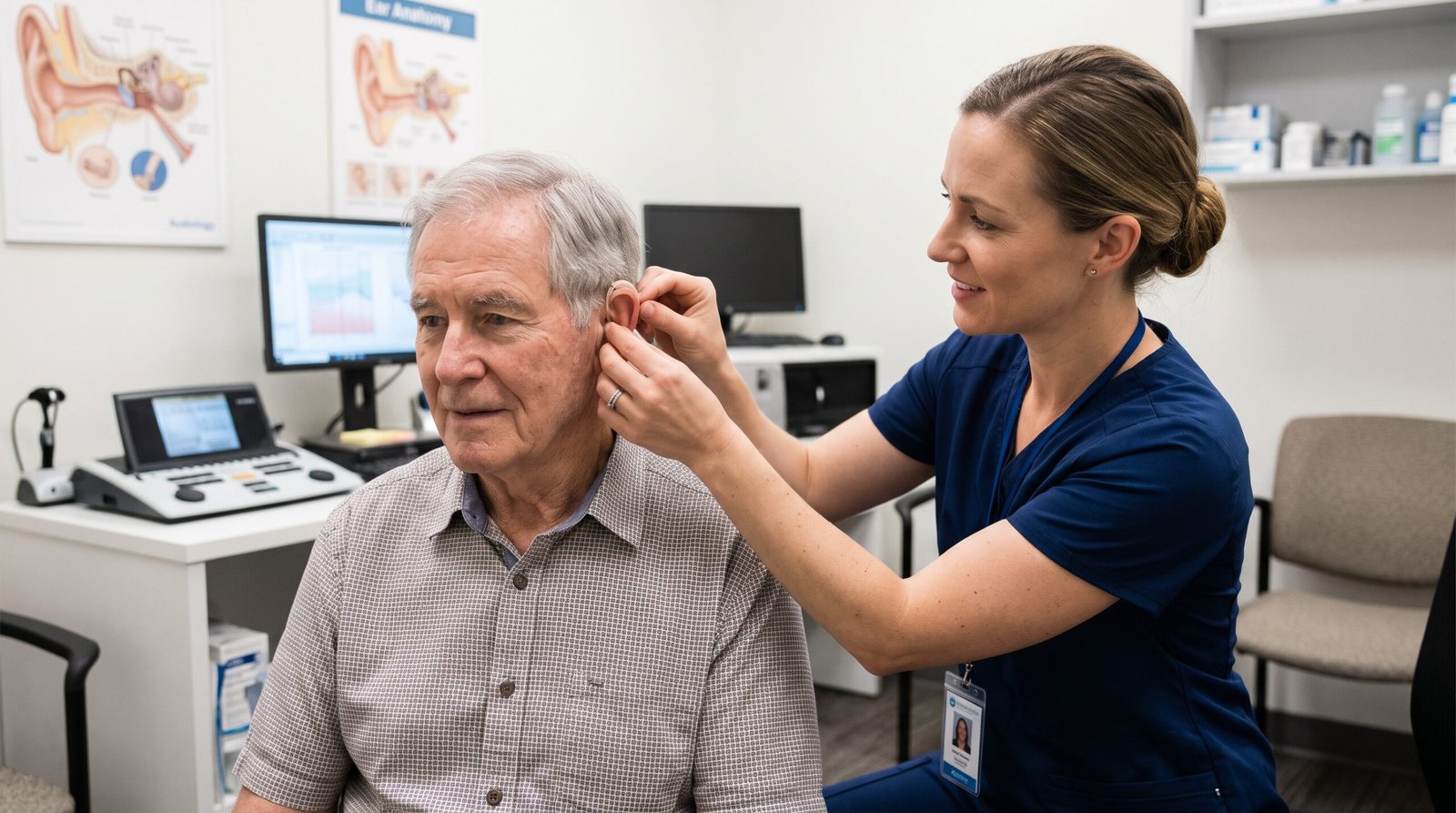
This guide to affordable hearing aids is for older people who struggle to follow conversations, and for their families. Good hearing aids do not have to cost thousands of pounds. In fact, many people can get them free on the NHS.
Quick comparison of affordable hearing aids
| Product | Best for | Rough price |
|---|---|---|
| NHS hearing aids | Most people, at no cost | Free |
| Specsavers Advance | Low price with aftercare | From around £500 a pair |
| Boots Hearingcare Essentials | Long trial and aftercare | From around £695 a pair |
| Apple AirPods Pro 3 | Mild hearing loss, iPhone users | Around £219 |
Start with a hearing test
Before you buy anything, get your hearing checked. The NHS says you should see a GP if your hearing is slowly getting worse. Also, some pharmacies and opticians offer free hearing tests.
A blocked ear can feel like hearing loss. For example, earwax or an infection can muffle sound, and a GP can treat both. However, sudden hearing loss is urgent, so contact your GP or NHS 111 straight away.
What makes a hearing aid comfortable
You will wear your hearing aids for most of the day. So comfort matters as much as price, because aids that rub often end up in a drawer.
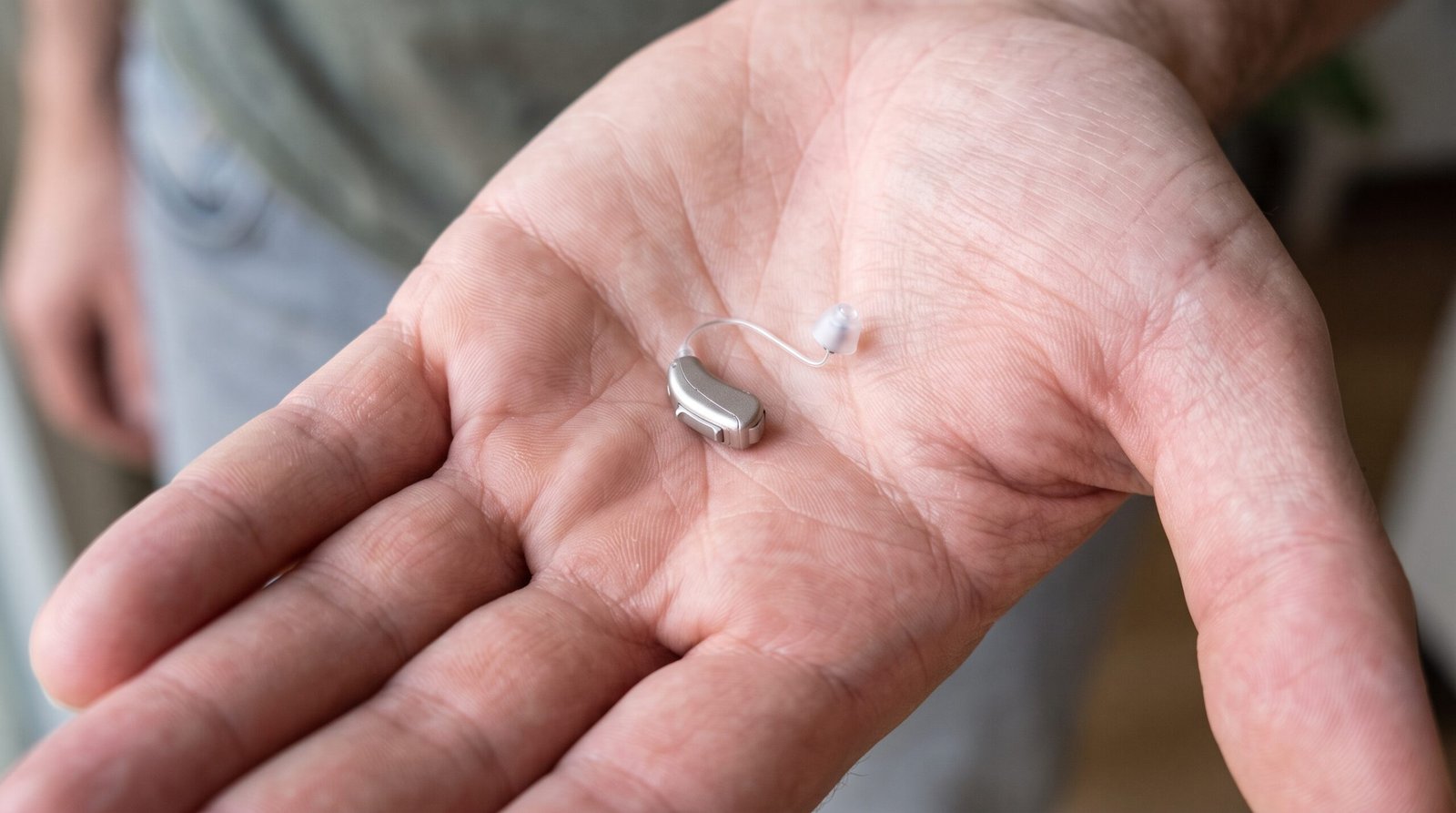
- Style. Behind the ear (BTE) aids sit behind your ear, with a tube into the ear. Receiver in canal (RIC) aids have a smaller part behind the ear. A thin wire links it to a tiny speaker, so they show less.
- Fit. Ask your audiologist to try different sizes of the soft tip, often called a dome, until it feels right.
- Charging. Rechargeable aids sit in a charger overnight. As a result, you avoid fiddly little batteries.
- Trial. Use any trial period to wear the aids at home, in shops and on the phone.
Give yourself time to adjust, too. New aids can make everyday sounds seem loud or strange at first. So wear them for short spells, build up slowly, and go back to your audiologist if anything feels sore.
Affordable hearing aids worth a look
Below are four sensible options, from free to mid price. Prices change, so treat them as a rough guide.
NHS hearing aids
NHS hearing aids are free, and so is the aftercare. Usually you start by seeing your GP, who can refer you to an audiologist. Also, in some areas you can refer yourself.
The NHS mainly offers behind the ear aids, and sometimes receiver in the ear styles. On the other hand, you may wait longer and have less choice. In England, the target is 18 weeks or less from GP referral to getting your aids.
Specsavers Advance
Specsavers sells its own Advance range, which starts from £500 for a pair. The price includes a hearing check, full aftercare, a four year warranty and either a charger or four years of batteries.
Rechargeable models start from about £1,000 a pair. Better still, Specsavers offers a 100 day money back guarantee, so you can test the comfort at home. It also offers several styles at no extra cost, including behind the ear and receiver in canal.
Boots Hearingcare Essentials
Boots Hearingcare’s cheapest range, Essentials, starts from about £695 a pair. Rechargeable aids start from about £995. In addition, Boots offers lifetime aftercare and a 90 day money back guarantee on standard aids.
If you prefer to spread the cost, Boots also has a monthly payment plan. Custom made aids have a shorter 60 day guarantee, so check which type you choose.
Apple AirPods Pro 3
AirPods Pro 3 earbuds include a Hearing Aid feature that works in the UK. Apple says it is for adults with perceived mild to moderate hearing loss. You also need an iPhone or iPad with the latest software to set it up. If you already own AirPods Pro 2, check first, because they support the feature too.
They cost £219 from Apple. However, Which? warns that earbuds like these do not suit all day wear, so some people find them less comfortable. In short, they suit someone with mild hearing loss who already uses an iPhone.
Watch out for cheap amplifiers
Online marketplaces sell so called hearing aids for as little as £20. In fact, most of these are hearing amplifiers, which simply make everything louder. Which? points out that sellers cannot legally market them as hearing aids.
Because they boost every sound, people may turn them up too loud and harm their hearing. By contrast, an audiologist tunes proper affordable hearing aids to your own hearing. That makes them far safer and clearer.
Before you buy
A few simple checks can save money and stress. Work through these first.
- Get a proper test. An audiologist can check your ears and set the aids to suit you.
- Ask what the price includes. For example, check aftercare, batteries, repairs and follow up tests.
- Check the trial terms. Some providers charge a fee if you return the aids, so ask before you sign.
- Budget for running costs. Which? puts disposable batteries at about £27 a year.
- Plan for replacements. Which? says hearing aids usually need replacing after about five years. Small parts such as wax traps and domes also cost a little each year.
- Get free help. RNID runs free drop in sessions across the UK through RNID Near You.
Hearing aids also work well alongside other kit. For example, see our guide to gadgets that help you hear the TV and phone clearly. Our pick of wireless TV headphones for hard of hearing listeners can help too.
Finding the right fit
Better hearing can make every conversation easier and less tiring. So start with a free NHS test. Then, if you want more choice, compare affordable hearing aids on the high street. Above all, pick a pair that feels comfortable enough to wear all day.