
Heating bills went up again on 1 October 2026, so finding simple ways to keep warm and cut bills matters more than ever this winter.
Ofgem‘s price cap rose by 4 per cent, taking a typical household’s yearly energy bill to around £1,723. What is more, experts expect another rise in January. For older people, who spend more time at home and feel the cold more, keeping warm affordably is especially important.
This guide contains affiliate links. If you buy through them, we may earn a small commission at no extra cost to you.
The good news is that a few simple, low cost gadgets can help you see where your money goes, keep yourself warm for less and heat only the rooms you use. This guide explains the options, what they cost to run, and where to get free expert advice.
Know what you are spending
Saving money is hard when you cannot see where it goes. Fortunately, these three gadgets make your energy use visible.
- Your smart meter’s in home display. If you have a smart meter, your supplier should have given you a small screen that shows what you are using right now, in pounds and pence. It is free, but many people leave it in a drawer. So put it somewhere you will see it, such as the kitchen worktop. If yours has stopped working, ask your supplier for a replacement.
- Plug in energy monitors. These plug into the wall, and you plug an appliance into them. They then show exactly what that appliance costs to run, which is useful for checking heaters, tumble dryers and old fridges. They usually cost between £10 and £20. See plug in energy monitors on Amazon
- Smart plugs. These let you switch things on and off from a phone, or set them to a timer. They are handy for turning off appliances left on standby, or for switching on an electric blanket half an hour before bed. Many also show how much energy is being used. Our guide to the best smart plugs to cut your energy bills has our top picks.

Gadgets to keep warm and cut bills
Warming yourself directly costs far less than heating a whole room. For example, heated throws and electric blankets use very little electricity, yet they keep you cosy in the evening or in bed.
The table below shows rough running costs at the current price cap rate for electricity of about 26p per unit. The power ratings are typical, though, so check the label on your own appliance.
| Appliance | Typical power | Cost per hour |
|---|---|---|
| Electric blanket | About 60 watts | Around 2p |
| Heated throw | About 100 watts | Around 3p |
| Oil filled radiator | About 1,500 watts | Around 39p |
| Fan heater | About 2,000 watts | Around 53p |
Using a heated throw on the sofa for a three hour evening costs around 8p. In contrast, a fan heater costs well over £1 for the same time.
Heated throws on Amazon | Electric blankets on Amazon
Heat only the rooms you use
Many homes heat every room to the same temperature, even rooms nobody uses. Two types of gadget can help.
- Smart thermostats. These replace your existing thermostat and let you set heating times and temperatures more easily, including from a phone. Some even learn your routine. Choose one with a clear screen and simple controls, and ask a family member or installer to set it up for you.
- Smart radiator valves. These replace the dials on individual radiators, so you can keep the living room warm while turning down the spare bedroom. They work best alongside a smart thermostat from the same brand.
If technology is not for you, simply turning down the dials on radiators in empty rooms and closing the doors also helps. Just do not let any room get so cold that damp and mould set in.
The NHS advises heating the rooms you use to at least 18°C. This is especially important if you are over 65 or have a health condition.
Stay safe
Saving money should never come at the cost of safety.
- Fit a carbon monoxide alarm in any room with a gas boiler, gas fire or wood burner. Carbon monoxide has no smell, and an alarm costs around £15 to £25. See carbon monoxide alarms on Amazon
- Check electric blankets every year. Look for scorch marks, frayed wires or worn controls, and replace any blanket over 10 years old.
- Keep heaters clear of curtains, furniture and clothes, and never dry washing on them.
- Plug heaters straight into the wall, not into an extension lead.
- Never use a gas cooker or oven to heat a room.
In addition, your local fire and rescue service may offer a free home fire safety visit, which can include free smoke alarms.
Free expert advice from the Green Doctors
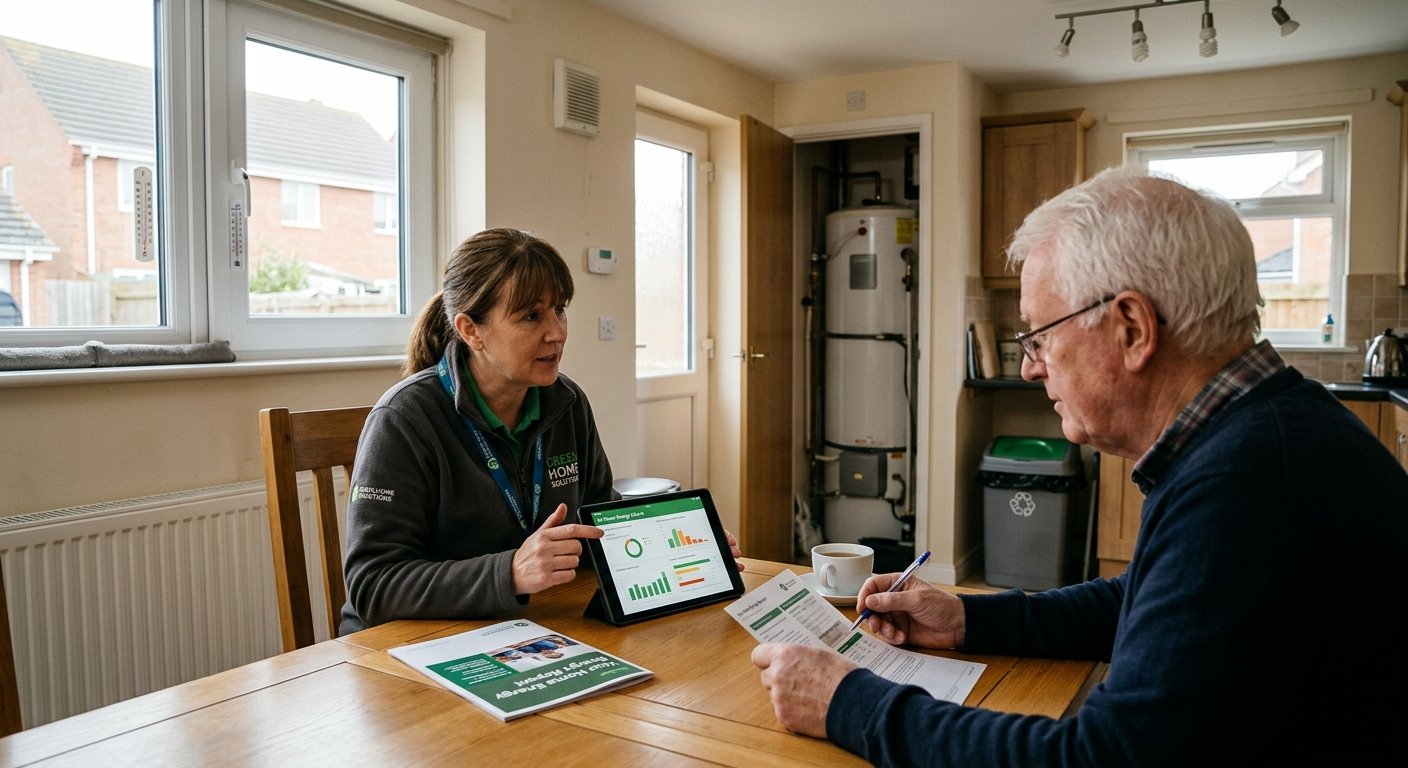
If you would like someone to look at your home and give personal advice, the Green Doctors are well worth contacting. They are trained, impartial energy advisers from Groundwork, a national charity, and their help is free.
A Green Doctor can visit your home, talk to you by phone or meet you at a local drop in session. They can help with:
- Simple ways to save energy and water without feeling cold
- Finding and tackling draughts, damp and mould
- Switching to a cheaper energy deal
- Advice on energy or water debt
- Applying for grants, the Warm Home Discount, emergency heating or other support
- Referrals to other services if they spot something else you need help with
On a home visit, they can often fit free energy saving items there and then, such as draught excluders, LED light bulbs and reflective panels behind radiators.
The service depends on local funding, so what is available varies by area. In London, residents over 60, people with a disability or long term health condition, and households on a low income or benefits may qualify.
Londoners can call the Green Doctor team on 0300 365 3005 or email GreenDoctorLDN@groundwork.org.uk. Elsewhere, visit the Green Doctor pages on the Groundwork website to find your local team.
Help with bills
- Warm Home Discount. A one off £150 off your electricity bill for winter 2026 to 2027. In England and Wales it is usually paid automatically if you are eligible, so you do not need to apply. Letters confirming eligibility go out between late October and December. If you think you qualify but hear nothing by the end of January 2027, contact the Warm Home Discount helpline.
- No VAT on electricity this winter. The government has removed VAT from household electricity bills from 1 October 2026 to 31 March 2027. This happens automatically.
- Winter Fuel Payment and Pension Credit. If you are over State Pension age, check you are getting these. Pension Credit can also unlock other help, yet many people who qualify never claim it. Our guide to keeping track of your pensions may also help.
- Your energy supplier. If you are struggling to pay, contact your supplier as soon as possible. They must offer help, such as a payment plan.
- A fixed tariff. If you are on your supplier’s standard tariff, a fixed deal may be cheaper. According to Ofgem, some fixed deals are £100 or more below the October price cap.
Quick checklist
- Find your smart meter display and put it where you will see it.
- Use a plug in energy monitor to check what your heaters and older appliances cost to run.
- Try a heated throw or electric blanket instead of heating the whole house in the evening.
- Turn down radiators in rooms you do not use, but keep the rooms you live in at 18°C or above.
- Fit a carbon monoxide alarm and check your electric blanket.
- Contact the Green Doctors for free advice and help.
- Check you are getting the Warm Home Discount, Winter Fuel Payment and Pension Credit.
The bottom line
In short, the cheapest ways to keep warm and cut bills are to warm yourself rather than the whole house, heat only the rooms you use, and claim every bit of help you are entitled to. A heated throw and a plug in energy monitor cost little and pay for themselves quickly. For more ideas, see our guide to smart speakers and health gadgets that help older people live independently.