

Motion sensor night lights switch on by themselves when you walk past, then turn off again after a short time. They are cheap, easy to fit and one of the simplest ways to make a home safer at night.
Many falls happen on the way to the bathroom in the dark. In this guide, therefore, we explain where to put them, which types to choose and what to look for.
How motion sensor night lights help prevent falls
As we get older, our eyes take longer to adjust to the dark. At the same time, getting up in the night becomes more common. Fumbling for a light switch, especially when half asleep, can easily lead to a trip or a fall.
Motion sensor night lights solve this problem. They come on the moment you move, so you never walk in the dark. Most also give a soft, warm glow that will not dazzle you or keep you awake. For more ways to stay steady on your feet, the NHS has helpful advice on preventing falls.
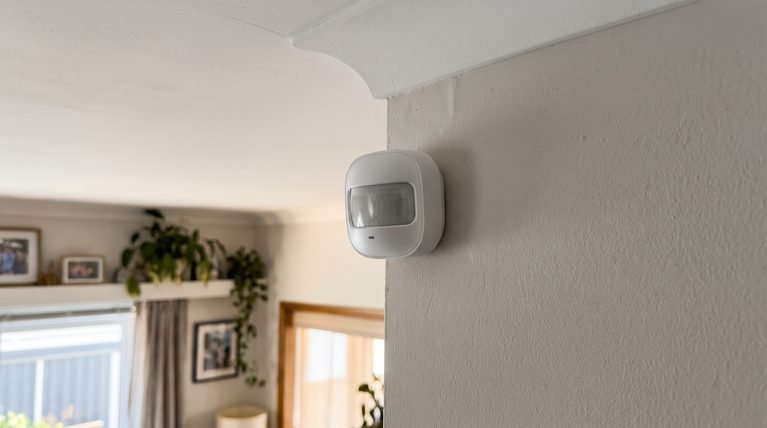
Where to put motion sensor night lights
Beside the bed. A light under the bed or on the bedside table helps you find slippers and your footing.
Landing and hallway. Light the whole route to the bathroom.
Stairs. Small lights on every few steps make the edges easier to see.
Bathroom. A gentle light avoids the shock of a bright main light.
Kitchen. Handy for a glass of water at night.
Wardrobes and cupboards. Not for falls, but still very useful.
Types of motion sensor night lights
Plug in night lights
These go straight into a wall socket. They need no batteries, and most have a light sensor, so they only work when it is dark. However, sockets are often low on the wall, which is not always the best place.
Battery and rechargeable stick on lights
Stick on lights fix onto walls, stairs and the underside of cabinets, so you can put them exactly where you need them. Rechargeable models charge with a USB cable, which saves on batteries. Ideally, choose a model that tells you when the battery is low.
Under bed light strips
A soft strip of light under the bed frame lights up the floor when your feet touch the ground. These are very popular, because they light the floor without lighting the whole room.
Smart lights
Smart bulbs and sensors can be set to come on at low brightness at night. They take more setting up, but family members can help. Our guide to smart speakers and health gadgets explains more.
What to look for in motion sensor night lights
Warm light. A warm white or amber glow is gentler at night than bright blue white light.
Adjustable timer. Make sure the light stays on long enough for you to get where you are going.
Dusk sensor. This stops the light coming on during the day, which saves power.
Easy fitting. Strong adhesive pads or magnetic mounts are easier than screws.
Brightness. Aim for enough light to see clearly, but not so much that it wakes you fully.
Other ways to reduce falls at night
Alongside motion sensor night lights, keep the route to the bathroom clear of clutter and loose rugs. Slippers with a good grip help too. When you wake, get up slowly, and sit on the edge of the bed for a moment first.
It is also worth thinking about a personal alarm in case a fall does happen. Our guide to the digital landline switch and telecare alarms explains how alarms work today. In addition, a key safe lets help get in quickly.
Where to buy motion sensor night lights
View motion sensor night lights on Amazon
View plug in night lights on Amazon
View under bed motion lights on Amazon
View motion sensor lights on eBay
Frequently asked questions
Do motion sensor night lights use much electricity?
No. They use LEDs and only switch on when needed, so running costs are tiny.
How long do the batteries last?
It depends on use. Even so, many rechargeable lights last several weeks between charges.
Can a pet set them off?
Yes, a cat or dog can trigger them. That is usually harmless, but you can angle the sensor upwards.
The bottom line
Motion sensor night lights are a cheap, simple way to help prevent falls at home. Put them on the route to the bathroom, choose a warm light, and keep floors clear. In short, a few small lights can bring real peace of mind.
Good Sense Guide may earn a small commission if you buy through links on this page, at no extra cost to you. This helps us keep the site running.